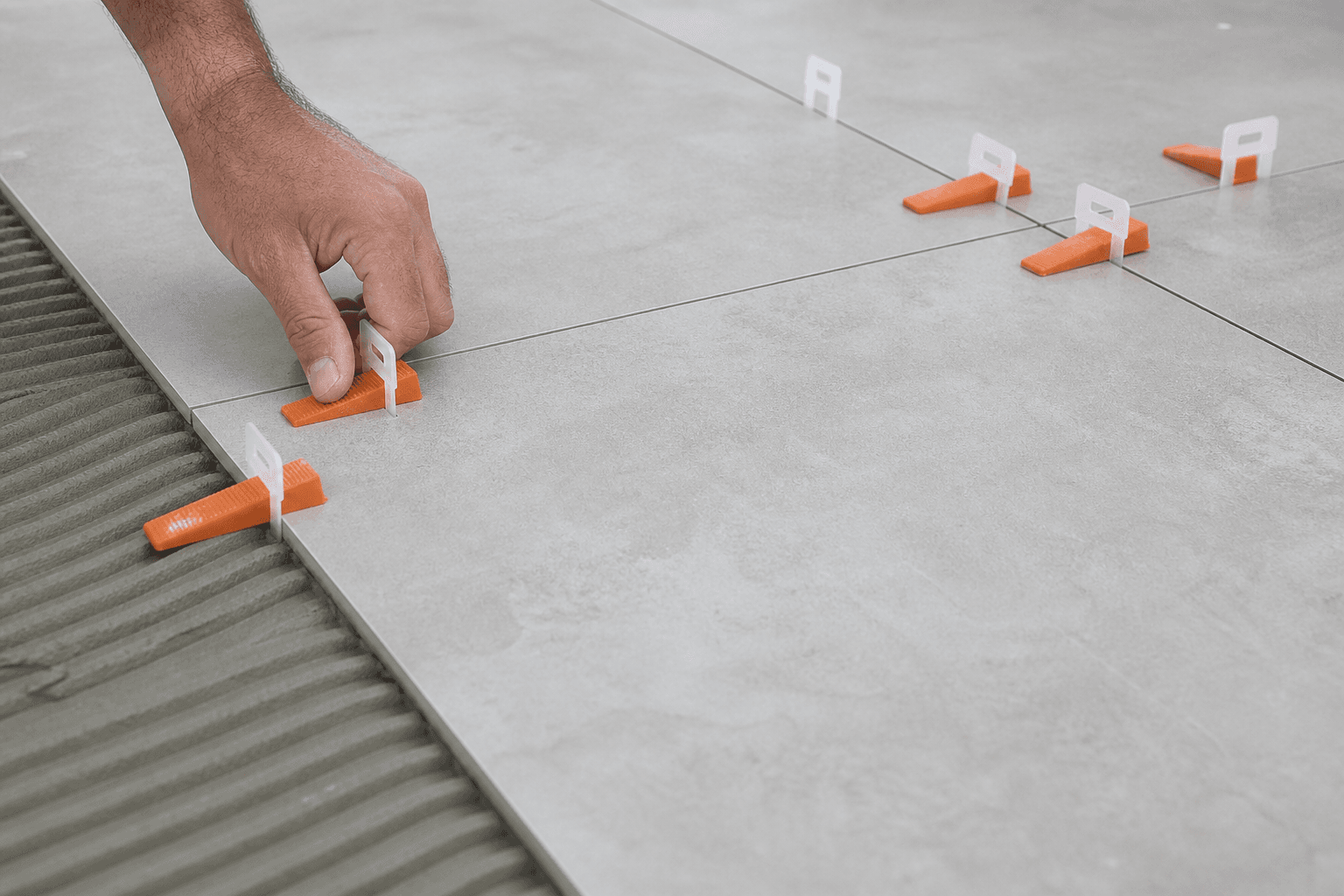
Raised flooring systems are the head choice on Tokoz pedestals pressed in Çorlu. A tile head, T-AP, T-AR, T-AW and clip T-DCN are separate lines. T-ST stays in the tile joint. Premium and Clever are not mixed on one floor.
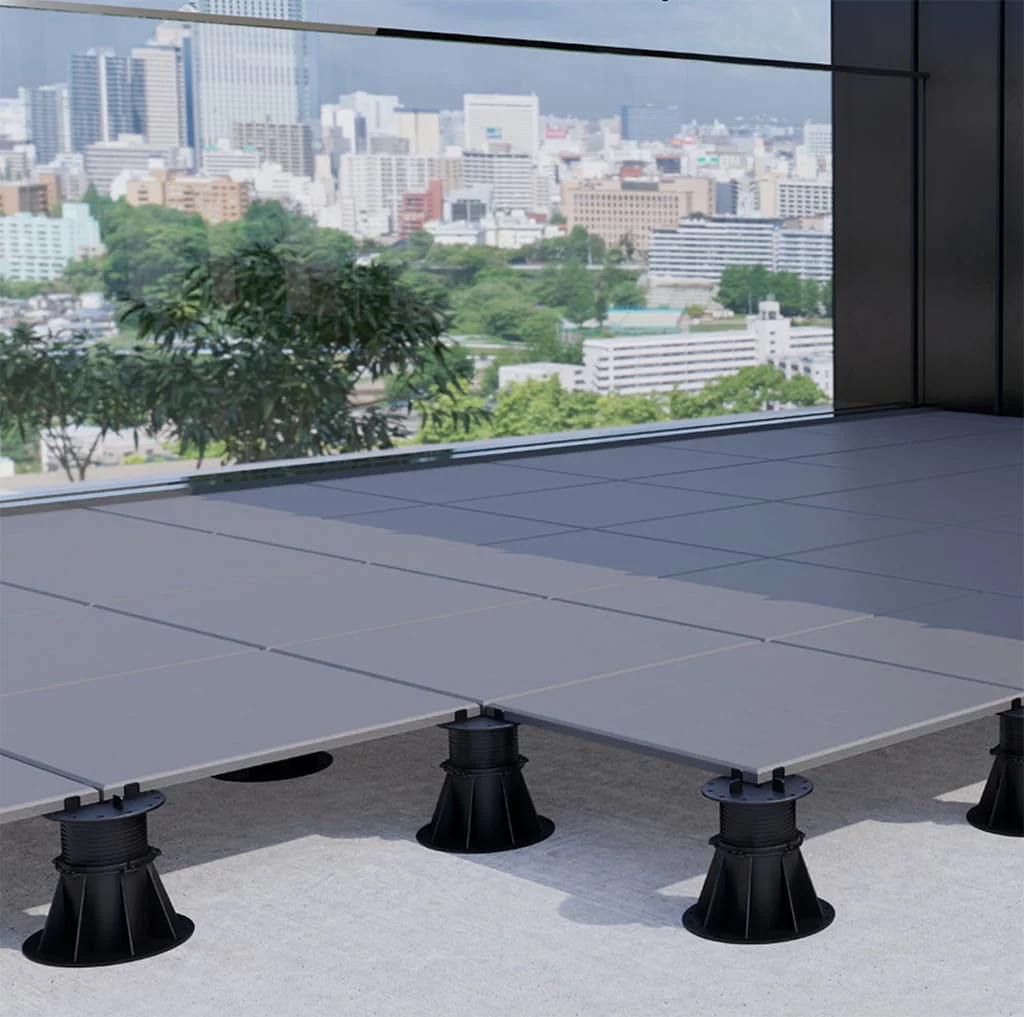
A raised system is chosen at the head, and the body is written only after that choice. The finish is the first fact on the order, because a tile, a joist and a deck board do not rest on one shared piece. Tokoz therefore keeps a tile head, a joist head and the deck clip on separate lines, so the store cannot fill a blank from habit. A tile head takes the slab at the corners and leaves a joint between slabs. A joist head takes a batten, and whatever sits on that batten is a later line. T-DCN is the clip that holds a deck board. A tile does not stand on it, and the clip does not open a tile joint. An order that names only the body arrives as a screw with no piece that matches the finish. The family of the body is chosen once the head is known, and one floor carries one family. Height can stay blank on the day the head is written. The head cannot stay blank. If the drawing shows tile, the line names a tile head. A vague note that says only pedestal disagrees with the drawing, and the drawing is the one that stands. The head line is written even while the body height is still unknown.
T-ST belongs only in a tile joint
The tile head is the line you write when the finish is a slab. The slab bears on the head. The joint where slabs meet is a separate stick, and its name is T-ST. T-ST belongs only to a tile joint. The catalogue widths are 2, 4, 6 and 8 mm. Those are the choices inside the 2–8 mm range. The stick turns 360 degrees on its own axis, so a cut edge can still meet a square edge. The stick does not enter a board seam and it does not hold a joist. Putting a deck clip into a tile joint closes the gap the stick was meant to keep open. Writing T-ST on a joist line wastes the stick and leaves the slab without a gap. The job picks one of those widths from the slab itself. The stick does not pick the slab. The count comes from the joints where corners meet, not from the number of bodies. Laying the stick flat under the middle of a slab does nothing for the joint. Four corners meet on one stick. If the corner of a cut slab still lands on a head, that meeting is counted too. T-ST and T-DCN are never written on the same line.
A joist head is three lines
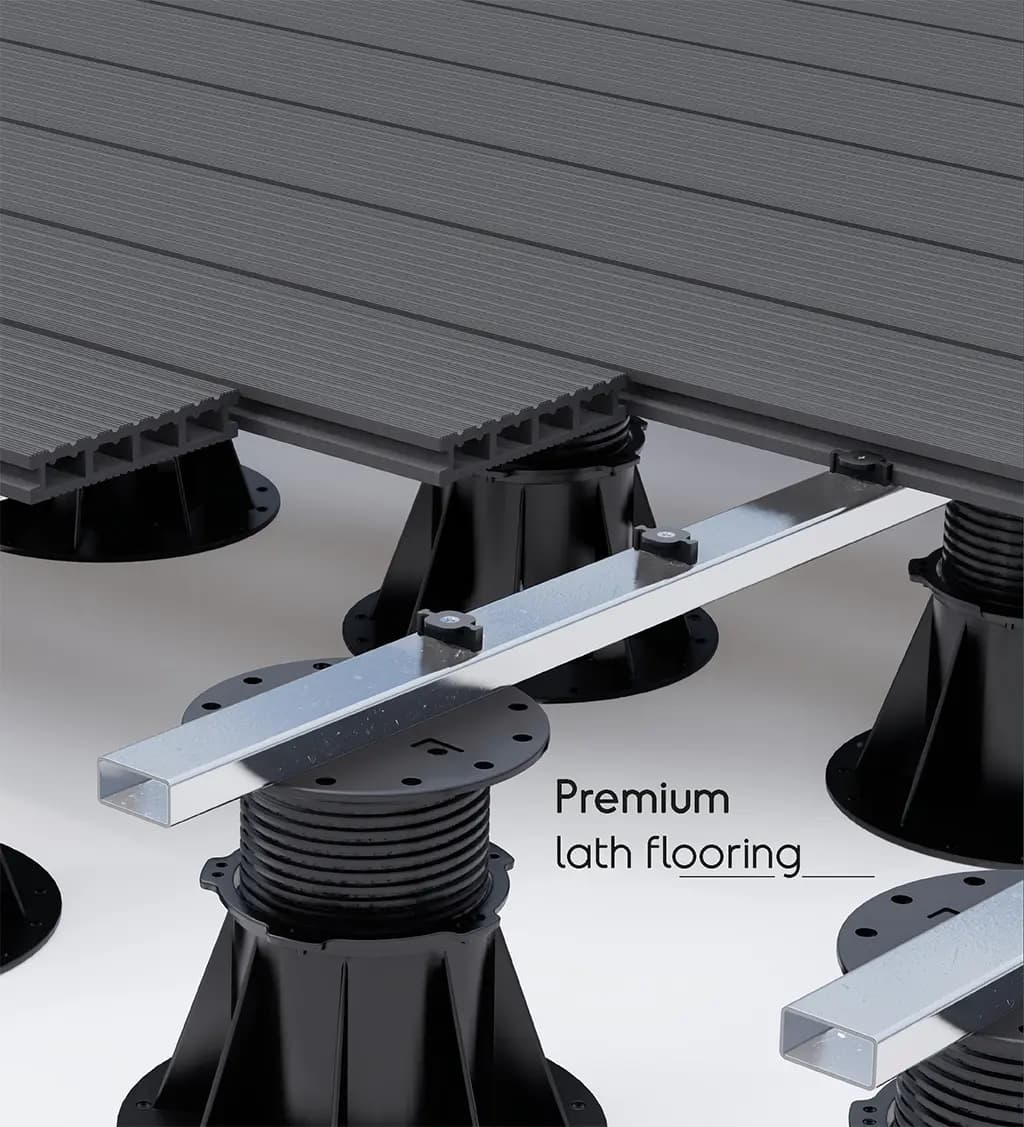
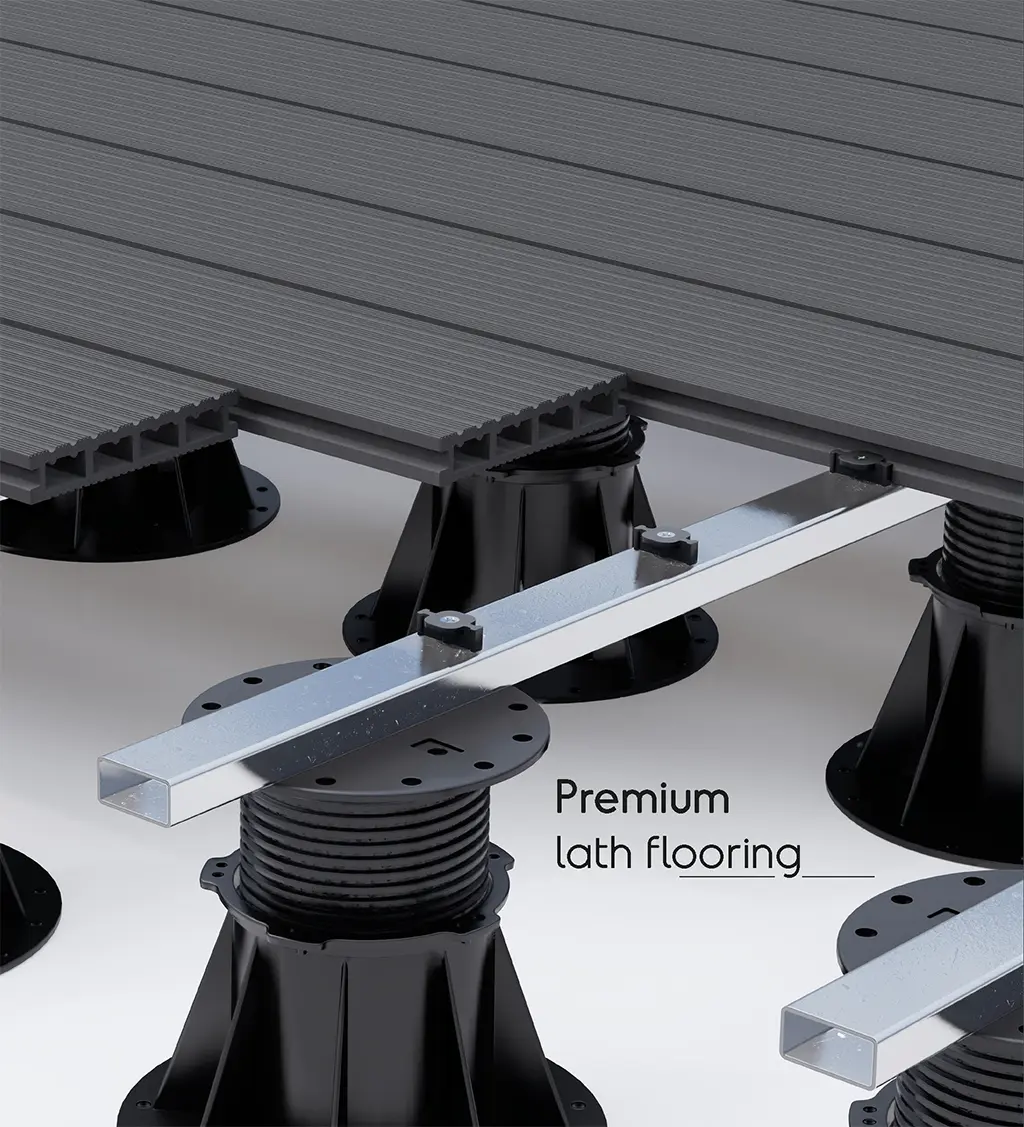
A joist finish does not use the tile head. A joist head is not one code. Tokoz splits it into T-AP, T-AR and T-AW, because the batten meets the pedestal in three different ways. T-AP is the piece that clicks the pedestal to CP-P1 and to an equivalent skeleton. The batten clicks onto that piece. T-AR is the side piece. It enters a head gap other than the centre, turns a full circle, and takes screws in its side holes. The catalogue gives T-AR a joist from 10 mm to 100 mm. Those millimetres are the size of joist the piece accepts. They are not the distance from one joist to the next. T-AW is the centre piece. It is screwed to the joist first, then lowered with the joist into the centre gap of the head. The catalogue gives it joists from 10 mm upward. These three are three order lines. Writing joist head without a code leaves the choice to the picker. A side piece does not do the work of a centre piece. A click does not do the work of either. Sending all three codes because the detail is unfinished multiplies the crate and still leaves a guess on the floor. The detail names one code. This page does not invent a gap between battens. That gap lives in the specification of the job. What stands on the line is the code.
T-DCN is not a tile spacer
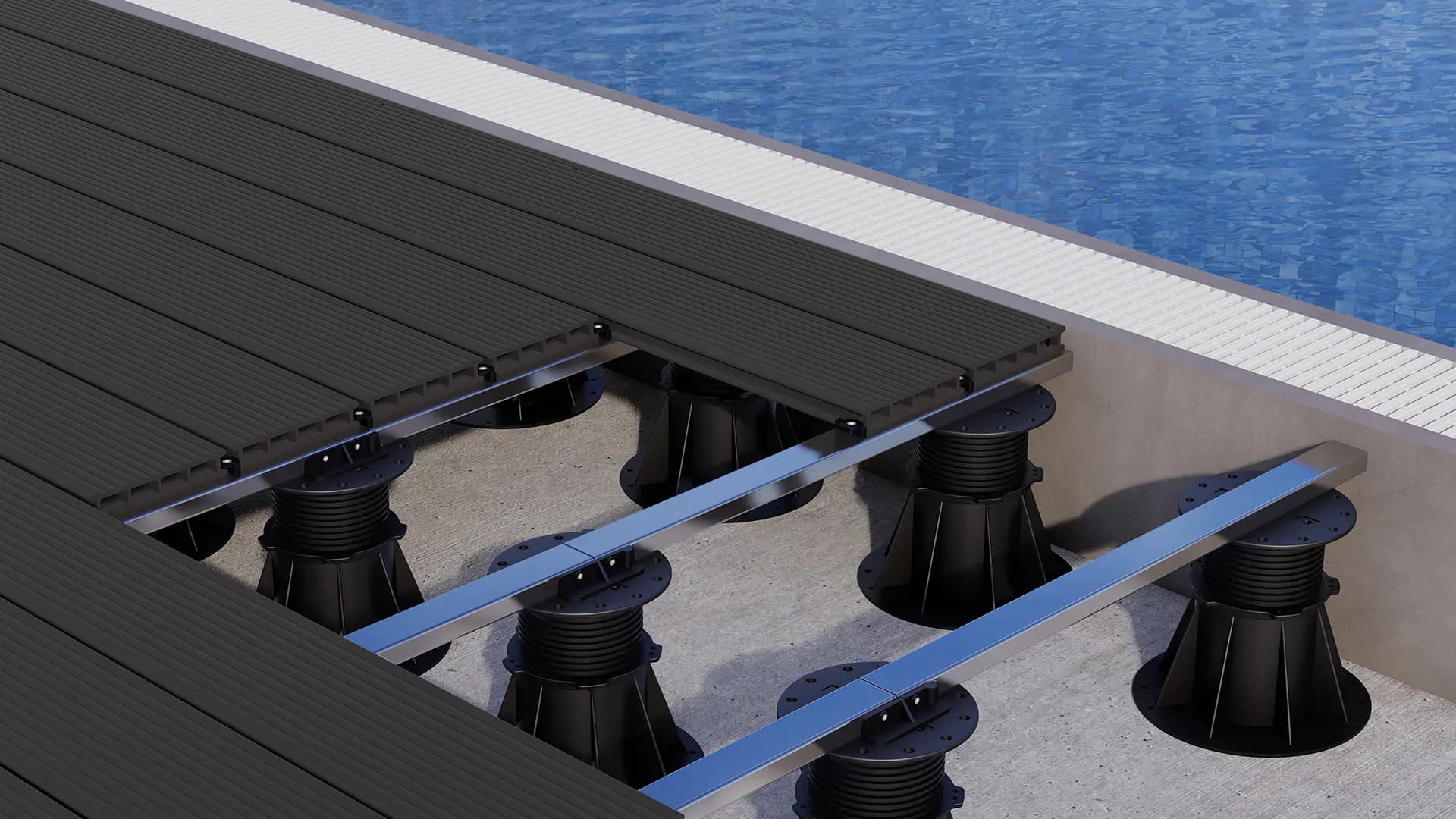
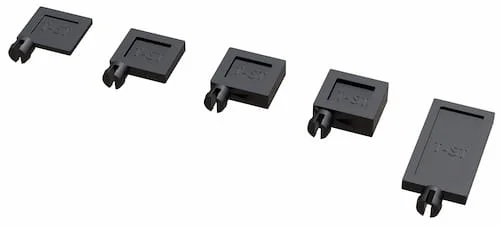
T-DCN is the deck clip, and it is its own line. It fastens a natural deck board to the joist. The piece is a cone. The screw stays hidden in the board joint, and the groove is less likely to split. That job is a fastening between board and batten. It is not a spacer that opens a tile joint. A spacer keeps two slabs apart. T-DCN pulls a board onto a batten. Putting it where T-ST belongs squeezes the slabs together and leaves a deck screw in a ceramic joint. Putting T-ST where T-DCN belongs leaves the board unfixed and leaves a joint stick under a timber edge. The two names sit next to each other in a list, which is why they get mixed. On the order they never share a line. Deck boards take T-DCN. Tile joints take T-ST. The joist under the deck is still T-AP, T-AR or T-AW, written on the line above the clip, not instead of the clip. The cone means something on a grooved board. A ceramic joint has no groove, and a hidden screw does not open a width. When the clip is counted, the count is the board fixings, not the slab corners. The number of corners does not give the number of clips. The number of clips does not give the number of joint sticks.
One floor carries one family
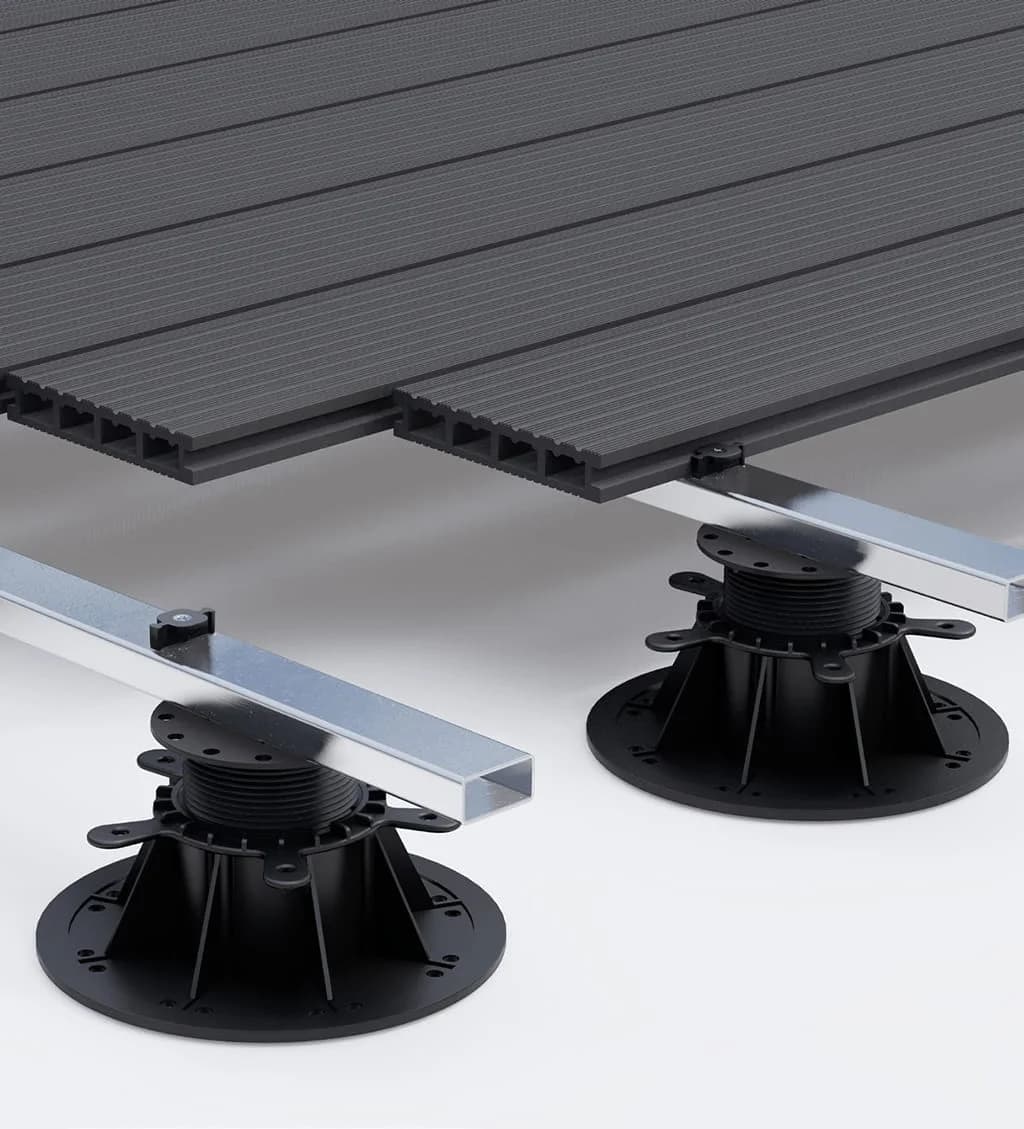
After the head is written, the order names one family. Premium is the 1000 kg point-load family. Each Premium body is declared for a point load of 1000 kg under its own head. That figure is not the weight of the whole floor. Clever is the 500 kg jack family. A Clever body is a jack, declared at 500 kg. It is not a short Premium. The two families do not stand on the same floor. Putting a Premium head line on a Clever body, or standing a Clever jack beside a Premium body under the same finish, leaves two declarations under one plane. A step shows at the edge of a slab. The step looks like a height that was turned badly. It is two declarations side by side. The remedy is not one more turn. The remedy is one family on the whole layout. The head codes above are ordered on the family that was chosen. Mixing the families so a corner can be made up from the other box is not a reason. Swapping a head between the families does not carry the declaration with it. The declaration stays with the body that was pressed for it. A heavier sticker does not turn a jack body into the point-load family. A floor written at 1000 kg is not finished with a 500 kg jack.
The choice is a short sequence
The choice is a sequence, and the sequence is short. First comes the finish: tile, joist, or deck board. Second comes the head line that the finish actually uses. Tile takes a tile head. T-ST is written only when the joint is a tile joint. Joist takes the one code the detail shows, T-AP or T-AR or T-AW. Deck takes the joist line the batten needs, and adds T-DCN as the clip. The clip is not put in place of the head. Third comes one family for every body on that floor, Premium or Clever, not both. If the finish changes later, the sequence starts again. Swapping a tile for a deck board does not keep the tile head and add a clip beside it. The old head line comes off the order. People reverse this. They pick the family whose box is already on site, then force a head to match. The forced head is the line that fails. The first fact was the finish. The family came last. If the crate on site is Clever and the drawing asks for the 1000 kg family, the crate does not become the order. The drawing is written back as a head line plus one family. Habit is not a code. A full crate does not close the line.
A line holds a code and a count
One head line carries a code and a count. The code is written out, not hidden in a bundle. The code is T-AP, T-AR, T-AW, the tile head, T-ST or T-DCN. The count is how many of that piece the layout uses. A tile head count follows the corners. A T-ST count follows the joints. A T-DCN count follows the board fixings. A joist head count follows the pedestals that carry battens. None of these counts is a guess from the square metres. None of them is the body count copied into every column. Copying the body count onto T-ST orders a stick even where four slabs do not meet. Copying it onto T-DCN orders a clip where there is no board. The height of the body is a different line and a different page. A head line with no code is not a head line. A blank count is not the same as the bodies. The picker either stops or copies the body column. The copy is how sticks and clips leave short or spare. Spare is not harmless. A spare T-DCN that falls into a tile crate invites the wrong joint. The line carries a code the picker can see. There is no piece on the shelf called the usual one.
The four frames are the order of the choice
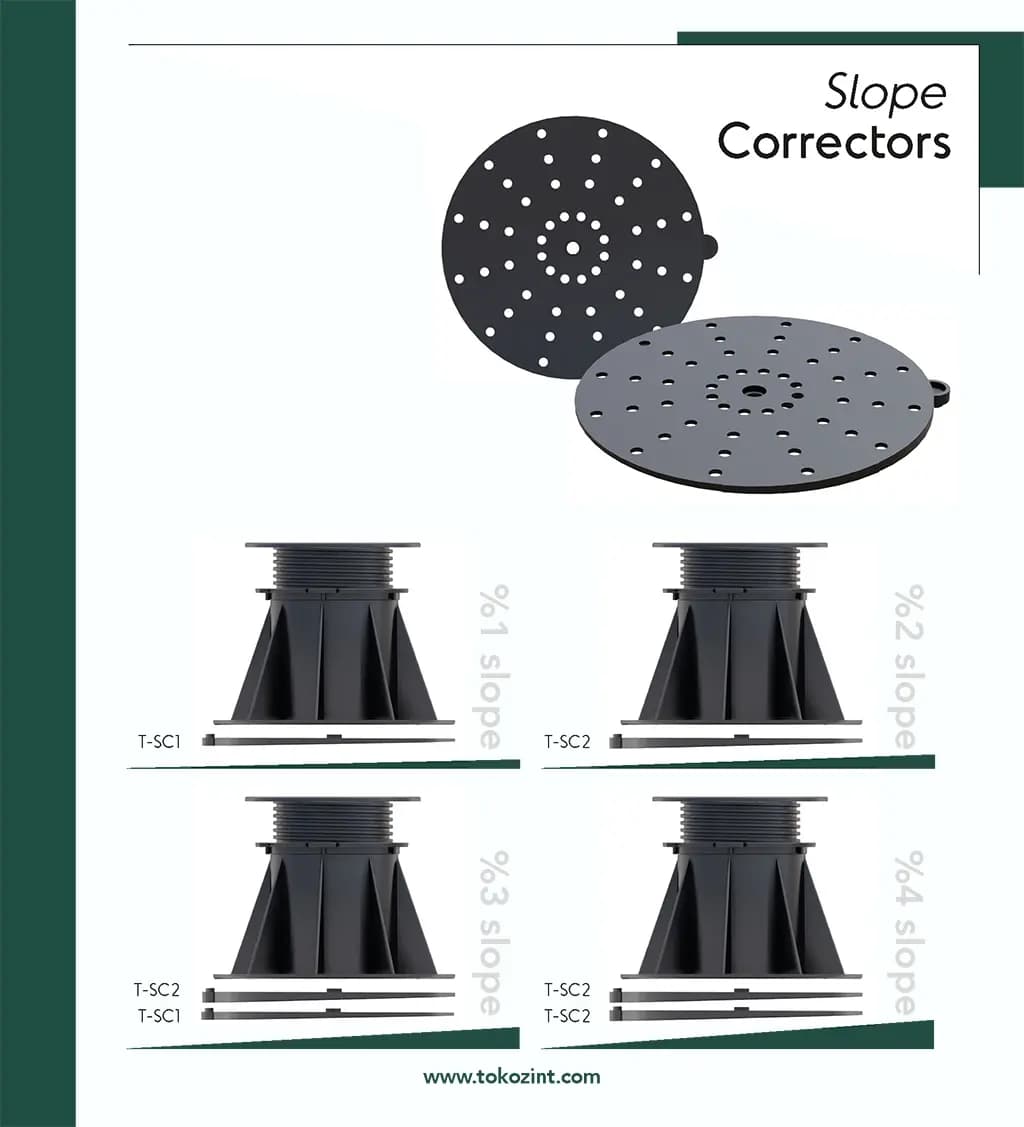
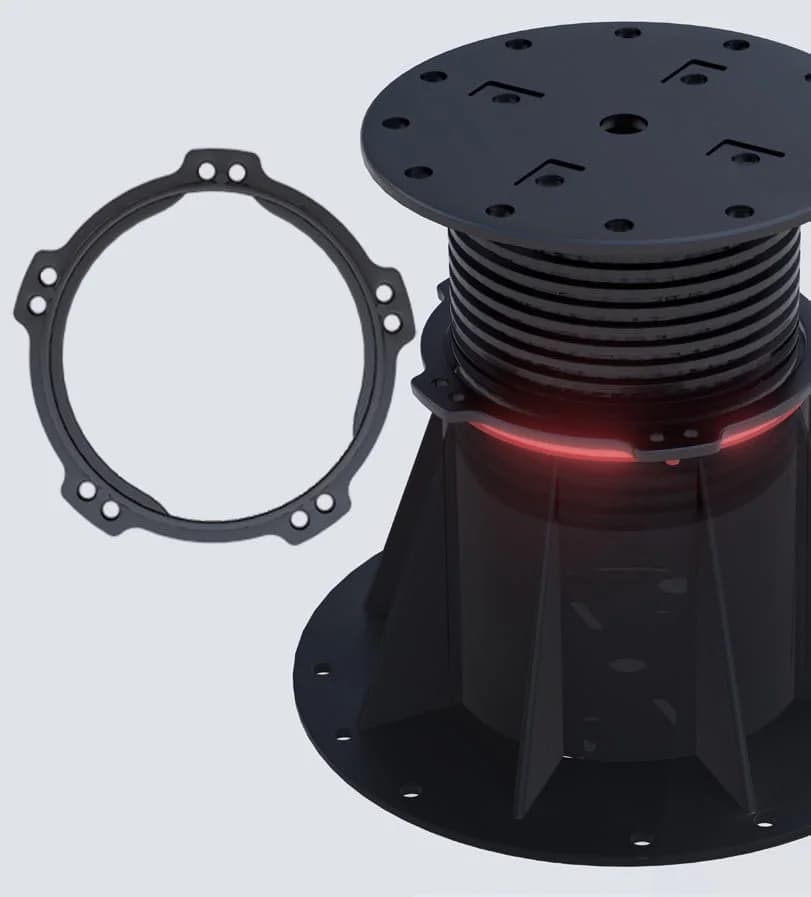
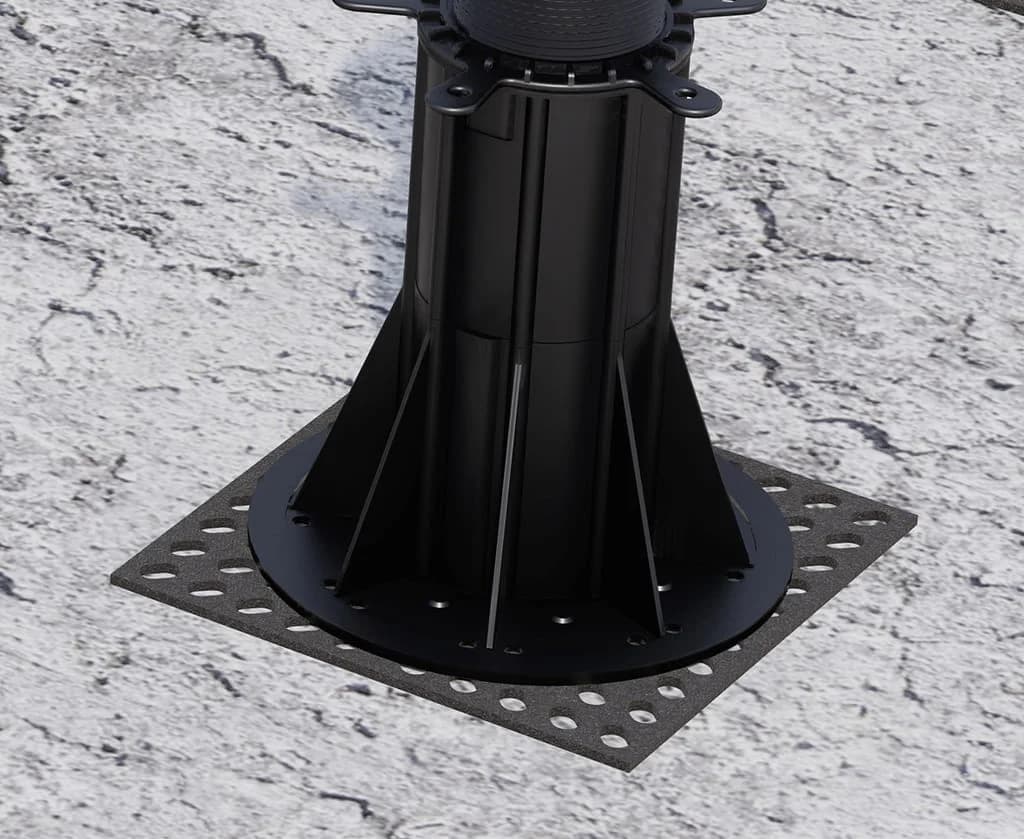
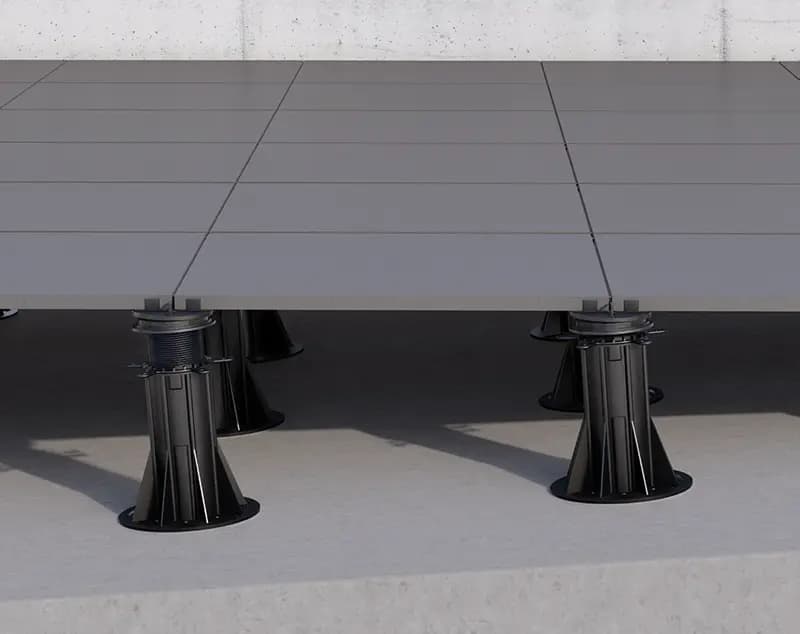
The four frames on this page are the choice, in order. The first frame shows the tile finish on its own head. That is the tile line. The second frame is the joist finish. T-AP, T-AR and T-AW split here and have to be written by name. The third frame is T-ST. The stick belongs only in a tile joint, it stays inside 2–8 mm, and it turns a full circle. The fourth frame is the Premium body that carries the chosen head. There is no finish on it, so the body is not mistaken for the head. This is the 1000 kg family. Clever, the 500 kg jack, is not in these frames and is not added beside them. The heads and the bodies are pressed in Çorlu. The layout still decides which code and which count leave that press. A note that says the system was already discussed is not a line the press can see. The press sees codes. The line names the finish first, then the head, then one family. A joist code is not written on the tile frame. A joint stick is not written on the joist frame. The body frame does not take the place of the head frame. Counting the four frames as one item opens one bin in the crate and leaves the site short of the head.